The question we hear most is “how much does a pool cost?”. The honest answer is that price isn’t set by the square metre alone — it’s the sum of decisions you make at the design stage. This guide walks through those decisions so you can talk to any contractor knowing exactly what you’re paying for.
The main cost drivers
Size and depth
The larger the water surface and the deeper the pool, the more excavation, concrete, water and chemicals you need — and the more powerful the equipment. A typical residential pool is 30–60 m² with an average depth of around 1.4 m.
Pool system
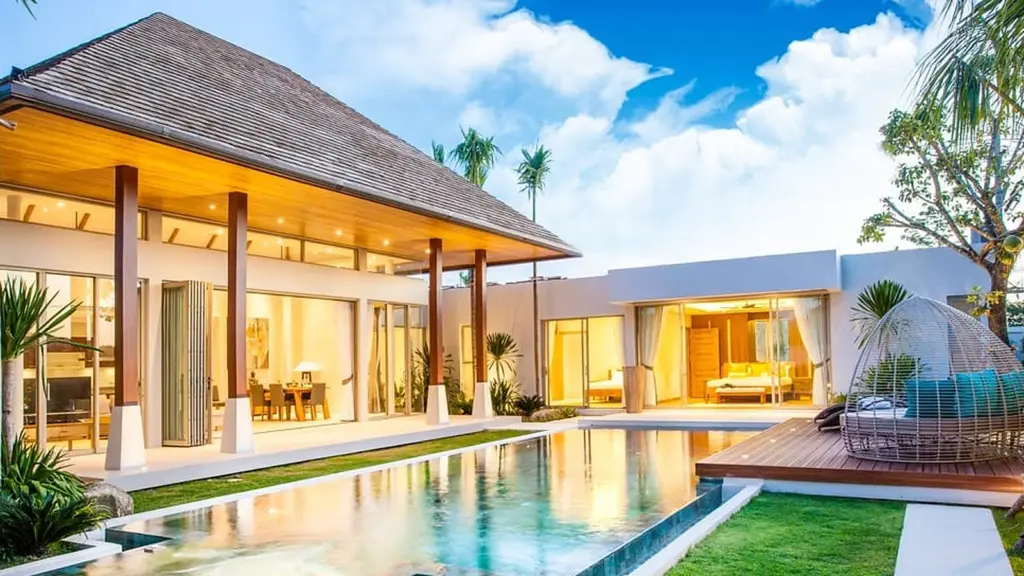
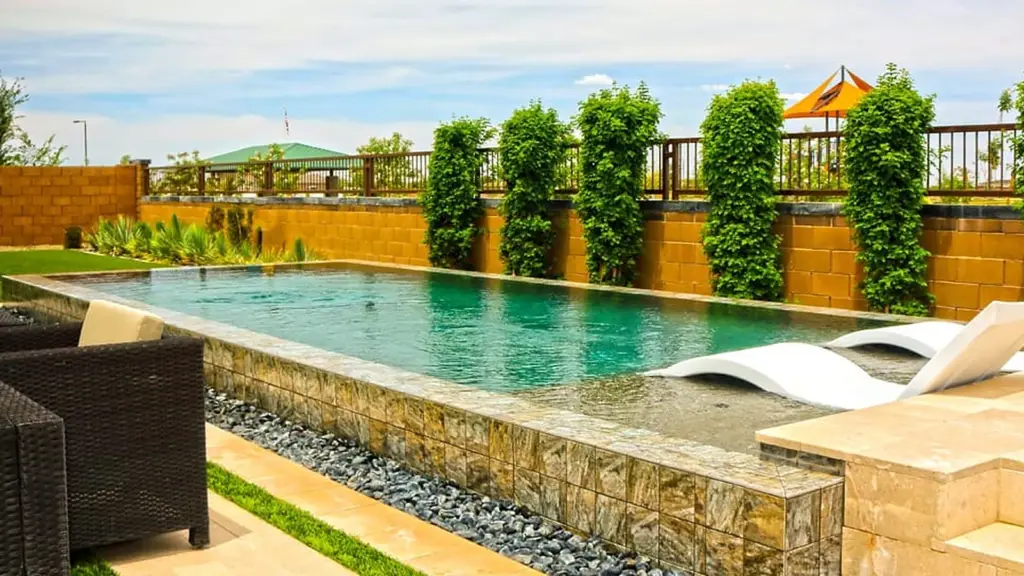
A skimmer pool is the most economical. An overflow pool needs a perimeter channel and a balancing tank, and an infinity pool needs a precisely levelled overflow wall plus extra structural work. The difference can reach 25% or more of the total budget.
Finishes
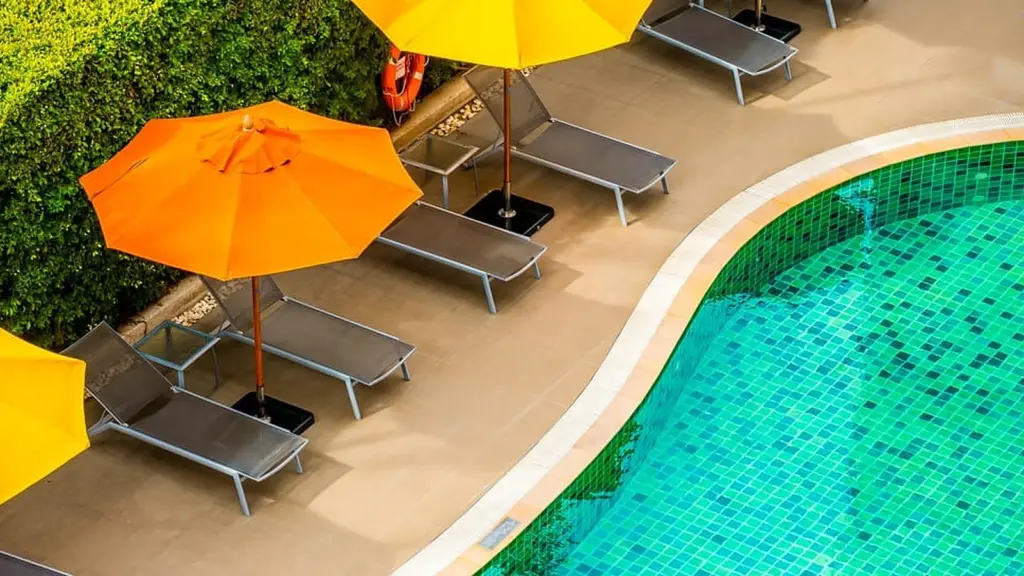
Standard tiles cost less than mosaic, while glass mosaic and natural stone sit at the top of the range. Finishes affect more than looks: they change how easy the pool is to clean and how long the surface lasts.
Equipment and extras
A pump and filter are essential in every pool, but extras make the biggest difference to the budget: heat-pump heating, underwater lighting, spas, waterfalls and smart control. We always recommend running pipes and power for future extras now, even if you don’t install them yet — adding them later costs more.
How to read a quotation
- Ask for a detailed BOQ listing every item, brand and quantity.
- Check that waterproofing and tightness testing are included, not just concrete.
- Get the structural and equipment warranty periods in writing.
- Compare quotes line by line, not just the total.
Our advice before you start
Start with how you’ll use the pool: family and kids, lap swimming, or relaxing with a view? The answer shapes the size, system and finish — and therefore the budget. Try our cost calculator for a first estimate in a minute, then book a free site visit for an exact quote.