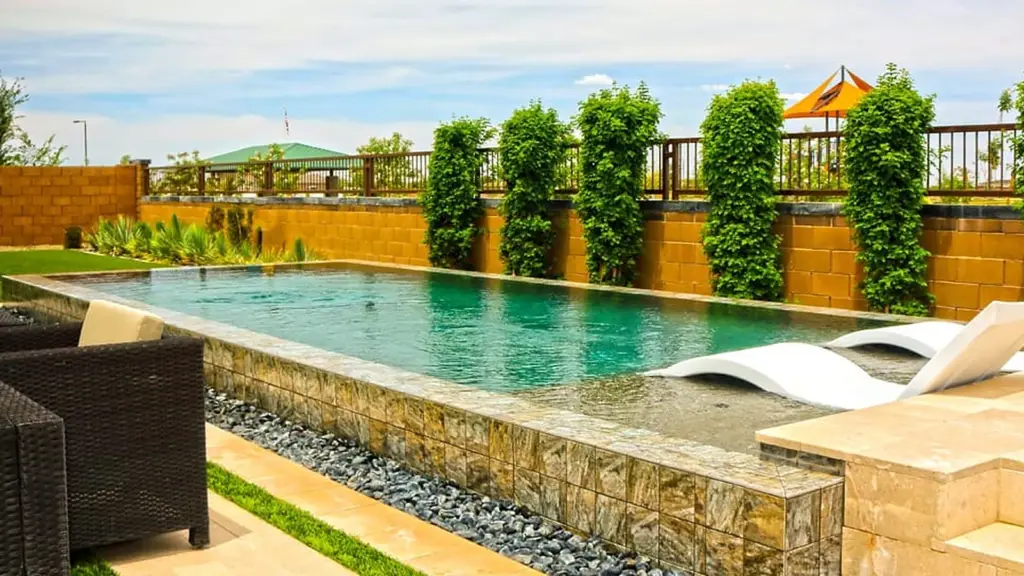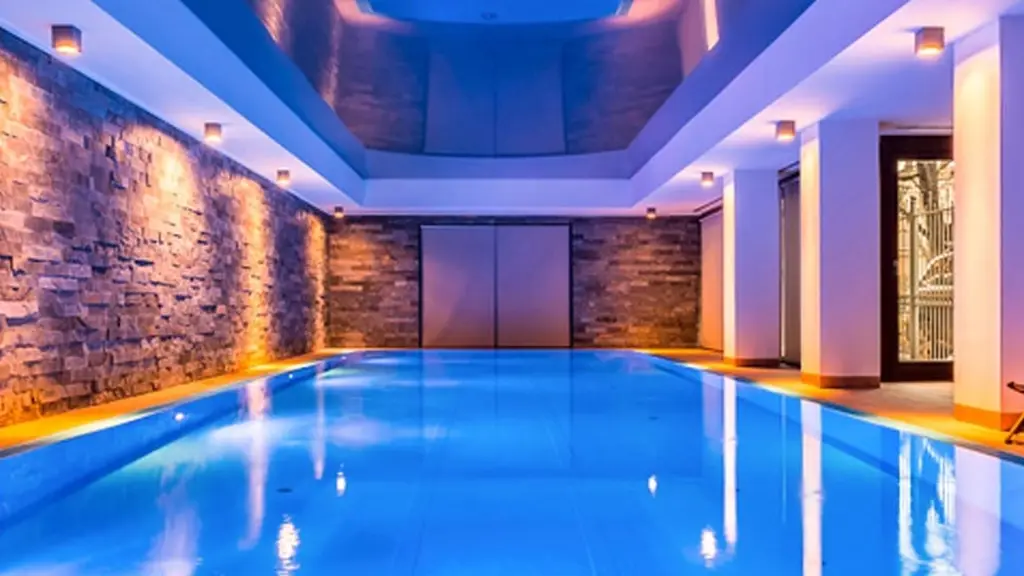
When you design a new pool, the first technical decision is the circulation system: skimmer or overflow? It shapes how the pool looks, what it costs and how it’s maintained for years.
What is a skimmer pool?
The water level sits about 15 cm below the edge, and water is drawn through side openings — skimmers — that catch leaves and floating debris before it reaches the filter.
Advantages
- Lower build cost: no perimeter channel or balancing tank.
- Faster to build and suits most villas.
- Simple maintenance that most technicians know well.
What is an overflow pool?
The water fills right to the brim and spills over every edge into a grated channel, then flows to a balancing tank before filtration. The result is a mirror-like surface flush with the deck.
Advantages
- A luxurious, architectural look for modern villas and hotels.
- Better surface cleaning, as the whole top layer passes to the filter.
- Ideal for busy public pools.
Quick comparison
Overflow costs more because of the balancing tank, channel and precise levelling, and it needs automatic water-level control. Skimmer is the practical choice when budget comes first or space is tight.
Which should you choose?
If the pool is a key architectural feature — or it’s for a hotel or resort — overflow is worth the investment. If you want a beautiful, practical family pool on a balanced budget, a well-built skimmer pool delivers excellent results. Either way, ask to see both in 3D during your site visit.